By #blueflamepublishing posts: Honest Guide and Best Reads
Type by #blueflamepublishing posts into a search bar and you may get a confusing mix of results. Some point to a blog. Some point to a self-publishing service. Others point to a games company or a poetry book with a similar name.
That confusion is the reason this guide exists. Below, you will learn what by #blueflamepublishing posts content actually looks like online, where to find the latest posts, and how to tell the real thing from a lookalike. I also checked what the platform does and does not publish, so you will not waste time hunting for things that are not there.
What “by #blueflamepublishing posts” Really Refers To
The name is shared by more than one project. This matters because the keyword by #blueflamepublishing posts sends people in very different directions.
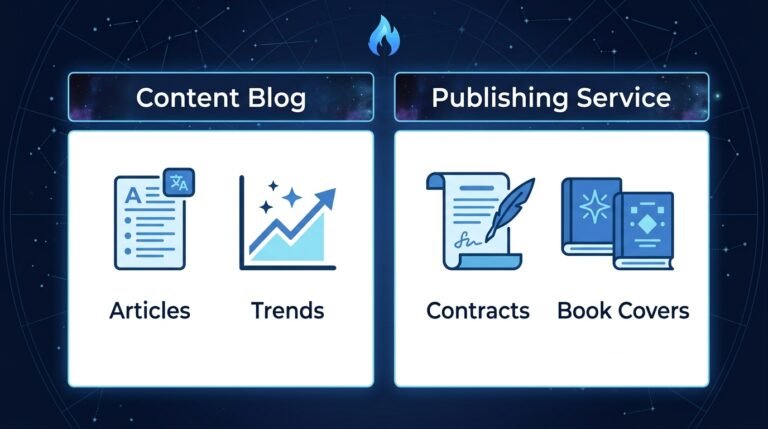
The blog at blueflamepublishing.blog. This is an independent, online-based platform built on WordPress. Its tagline is “Igniting Stories That Shine.” The About page describes a mission to spark curiosity, creativity and conversation through writing. It also says it welcomes guest contributors and collaborations.
A self-publishing services site. A separate Blue Flame Publishing site on Wix describes a modern take on traditional publishing. It lists coaching, editing and cover design. Its menu includes New Releases, News and Events, Services and an Artist Page with named creators. The footer shows 2018, so treat its information as possibly dated and confirm details before you contact anyone.
Other companies with similar names. A Blue Flame Publishing Ltd page based in Birmingham describes reading stories and playing games. A gaming trade site lists a Blue Flame Publishing founded by Olivier Gavrois. These may or may not be connected to the sites above, and I found no proof either way.
Then there are names that only sound alike. Flame Tree Publishing is a London independent publisher founded in 1992. Black Flame was a science fiction and horror imprint of Games Workshop’s BL Publishing that closed in 2008. Blue Flame is also the title of a poetry collection by Emily Pettit, released in 2019 by Carnegie Mellon University Press.
If you are chasing a specific book, author or press release, confirm which “Blue Flame” you mean first.
What by #blueflamepublishing Posts Actually Cover
The blog is not a book publisher’s news feed. It reads like a general interest platform, and the recent posts show that clearly.
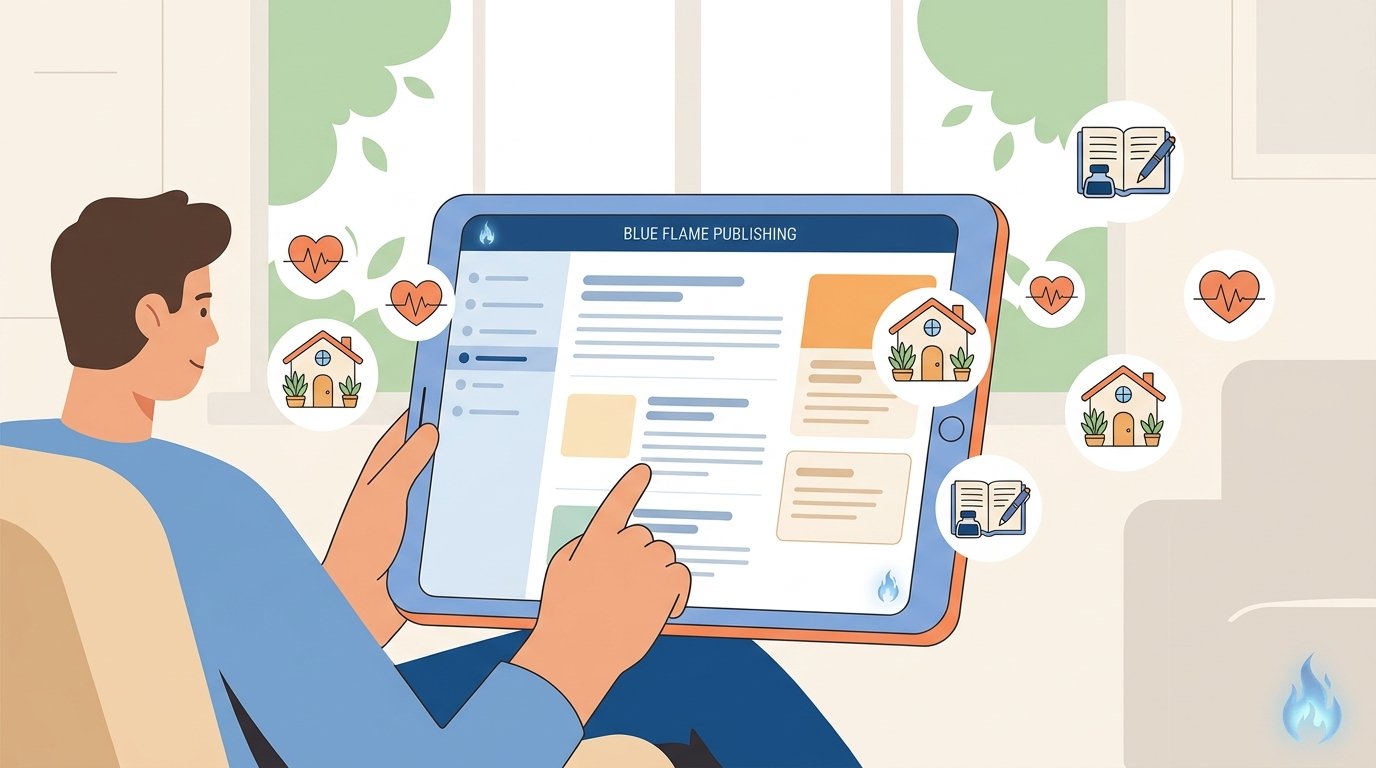
At the time of writing, the homepage listed articles on home renovation, pipe maintenance and trenchless relining, allergies and lifestyle stress, family guidance during alcohol recovery, buying a Singapore condo, accessible ADA-compliant assets for online classrooms, and academic stress in online classes. The menu sorts content into Health, Home Decor and Blog, with extra tags like Plumbing and Home Improvement.
Earlier posts from March 2026 focus on the blog’s own name and on how to create informative blog content.
So if you expected blue flame publishing authors, featured books or a literary community, you will not find that on this site today. What you will find is practical, everyday advice content, published under the byline “kim.”
That is not a bad thing. It just means you should set your expectations correctly.
Where to Find the Latest and Recent Posts
Finding by #blueflamepublishing posts latest posts is simple once you know where to look.
Start with the homepage. It has a “Latest Blogs” section that shows the newest articles with a category, a date and a short preview. As of September 27, 2026, the newest entries were two home and plumbing pieces.
Use category pages. Health, Home Decor and Blog each collect related articles. This is the fastest way to read blue flame publishing articles on one subject.
Check date archives. Every post links to a monthly archive. If you want by #blueflamepublishing posts updates from a certain month, click the date on any post.
Visit About Us and Contact Us. These pages explain the mission and how to reach the team about guest posts or collaboration.
Searching the by #blueflamepublishing Hashtag on Social Media
The hashtag is the second half of the story. People often search it hoping to find blue flame publishing social media posts, announcements or book launches.
Here is my honest finding. I could not confirm an active, branded social feed tied to the blog or to the hashtag. A quick search of the open web showed no verified official accounts or campaigns.
Here is how to test it yourself.
- Search the hashtag on Instagram, X, Facebook and LinkedIn, then sort by recent.
- Look for a profile that links back to the official domain.
- Ignore posts that only reuse the tag to gain reach.
- Check whether the account posts consistently or only in bursts.
A hashtag is open to everyone. Anyone can use it, so a tagged post is not proof of an official announcement.
How to Judge Any Blog Post Before You Trust It
Health and home advice can affect real decisions, so a few checks are worth the minute they take. These habits follow the same ideas behind Google’s focus on experience, expertise, authoritativeness and trustworthiness.
Look at the author. Does the byline lead to a real profile with credentials? A single first name and no bio is a weak signal on health topics.
Check the date. Laws, prices, medical guidance and building rules change. A post from 2026 is more useful than one from 2020, but even new posts need a second source.
Look for sources. Strong posts link to government sites, medical bodies or standards groups. Thin posts only repeat general claims.
Notice the geography. Some Blue Flame Publishing posts mention Queensland, and another discusses Singapore property. Advice about local rules, contractors or pricing will not always apply to readers in the United States.
Compare with a professional source. For alcohol recovery, allergies or plumbing repairs, use the blog as a starting point and confirm with a doctor, licensed plumber or official agency.
A Practical Example
Say you read the post on trenchless pipe relining. Good use of the article would be learning what the method is and what questions to ask. Then you would call two or three licensed local plumbers, ask about warranties and permits in your state, and compare quotes.
Bad use would be treating the article as a repair manual and skipping a professional inspection. The same logic applies to the health posts.
Inline image placement goes here, near the section on judging posts.
Blue Flame Publishing for Writers Who Want to Contribute
The About page says the platform welcomes guest contributors, collaborations and creative partnerships. If you are a writer thinking about by #blueflamepublishing posts opportunities, prepare before you pitch.
- Read at least ten recent posts so you understand the tone and topics.
- Pitch a topic that fits the existing categories, such as Health or Home.
- Include your credentials and a sample of past work.
- Ask about editorial standards, link policy and whether posts are labeled if sponsored.
- Confirm how your byline and author bio will appear.
Ask that last set of questions directly. A trustworthy platform answers them plainly.
If You Want a Self-Publishing Partner Instead
Maybe you landed here because you want to publish a book. Then the blog is not what you need.
The Wix-based Blue Flame Publishing site lists editing, coaching and cover services aimed at new authors. Before you hire any independent publishing company, check the following.
- Rights. Who owns the copyright and the cover art after publication?
- Pricing. Is there a clear, published fee chart with no hidden add-ons?
- Distribution. Will your book reach retailers like Amazon and libraries, or only a single storefront?
- Track record. Can you speak to past authors and view finished books?
- Contract terms. Can you exit the agreement, and what happens to your files?
For deeper background on how the field works, the Wikipedia article on self-publishing is a solid neutral starting point.
Common Mistakes People Make With This Keyword
Assuming one company. Different sites share the name, so a review of one does not apply to another.
Expecting book news. The blog does not present a catalog of new releases, author interviews or press releases that I could verify.
Trusting the hashtag. Open tags attract spam and unrelated content.
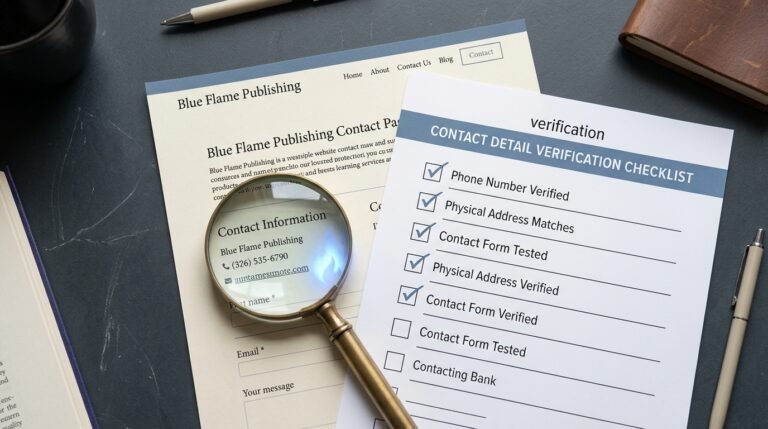
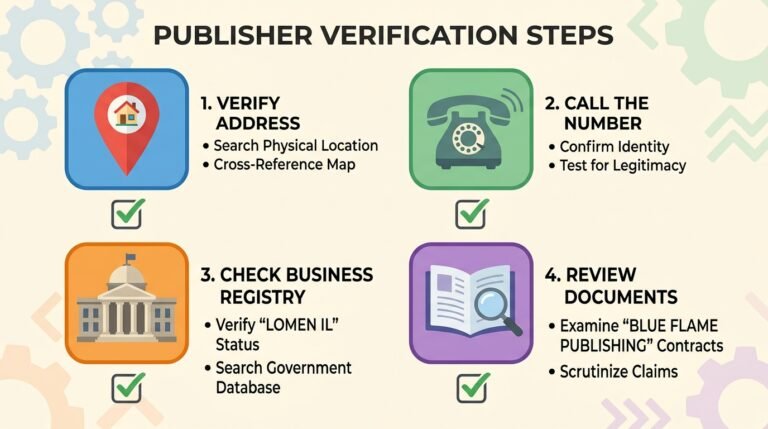
Ignoring lookalike domains. A few similar domains exist with near-identical names. Always confirm the exact address before sharing personal details or submitting a guest post.
Skipping the date. An old service page can list prices or staff that no longer apply.
Tips for Getting More From the Blog
- Bookmark the homepage and the category you care about most.
- Read the newest post first, then use category pages for related reading.
- Note the publish date before you act on any advice.
- Send feedback through the contact page if you spot errors.
- Treat posts as a starting point and finish your research elsewhere.
Frequently Asked Questions
Final Thoughts
The phrase by #blueflamepublishing posts points mostly to a general interest blog with practical articles on health, home and learning. It does not point to a verified book publisher with authors, releases and press coverage, even though the name suggests one.
Read the posts as helpful starting points. Check dates, look for sources and confirm important decisions with a professional. If you are after a publishing partner, research each Blue Flame business separately and ask for contracts and references in writing.
Do that, and the name stops being confusing and starts being useful.
Source links for the meta description and article
- https://blueflamepublishing.blog/about-us/
- https://blueflamepublishing.blog/
- https://blueflamepublish.wixsite.com/home
- https://www.pocketgamer.biz/industry/blue-flame-publishing/
- https://www.facebook.com/BlueFlameP/
- https://en.wikipedia.org/wiki/Flame_Tree_Publishing
- https://en.wikipedia.org/wiki/Black_Flame_(publisher)
- https://en.wikipedia.org/wiki/Emily_Pettit
One external link
- “Wikipedia article on self-publishing” (in the self-publishing section). I did not fetch this page, so confirm the URL before adding it. It is normally https://en.wikipedia.org/wiki/Self-publishing. If you would rather use a page I verified, link “Emily Pettit” to https://en.wikipedia.org/wiki/Emily_Pettit.